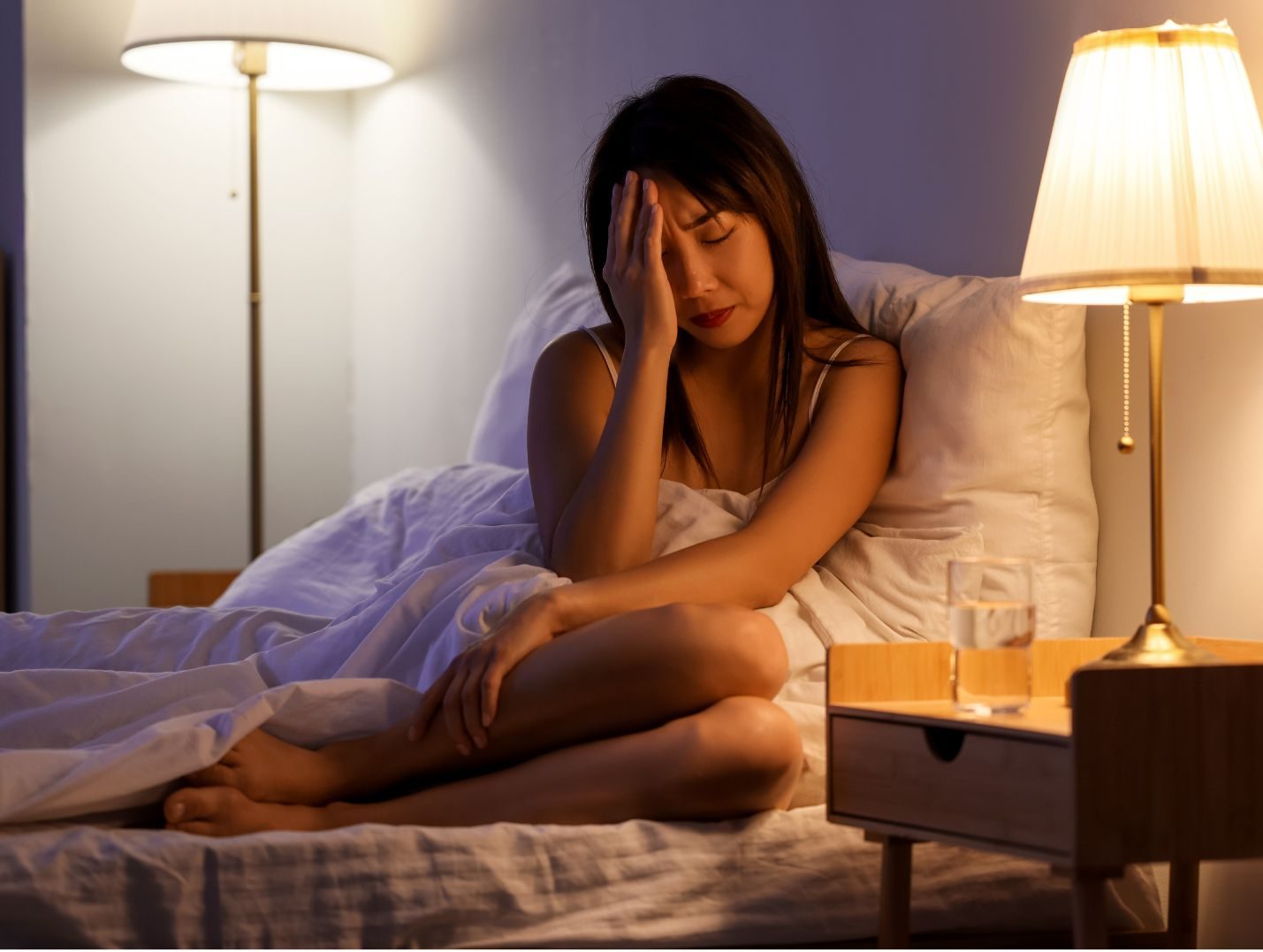
Menopause and Sleep Quality
Before menopause, I was a great sleeper. I slept soundly for 8 hours, on average. When perimenopause came (several years ago, now), I struggled with sleep. That lasted about a year. It might have been longer. My sleep pattern has improved, so I’m asking this question for others who are reading this and struggling with it.
Menopause and sleep quality
Menopause significantly impacts sleep quality for many women, with sleep disturbances being one of the most common and disruptive symptoms during the perimenopausal transition (the years leading up to menopause) and often persisting into postmenopause.
Prevalence and Common Issues
Studies, including large-scale ones like the Study of Women’s Health Across the Nation (SWAN), show that sleep problems increase during this phase. Roughly 40–60% of women report sleep disturbances during the menopausal transition, with some estimates reaching 50–69% in perimenopause and postmenopause. This is higher than in premenopausal women, even after accounting for age.
Common complaints include:
- Frequent nighttime awakenings and increased wake time after sleep onset (WASO).
- Difficulty falling asleep (sleep latency issues).
- Poor overall sleep quality, often feeling fragmented or non-restorative.
- Insomnia symptoms, such as early morning awakenings or trouble staying asleep.
- Other linked issues like restless legs syndrome (more common postmenopause) or increased risk of sleep apnea (2–3 times higher due to hormonal changes).
These aren’t just subjective—objective measures often show lighter, more disrupted sleep patterns.
Main Causes
The connection is multifactorial, but key drivers include:
- Hormonal fluctuations and decline — Dropping estrogen and progesterone levels directly affect brain areas regulating sleep (e.g., hypothalamic centers). Estrogen influences serotonin and melatonin pathways, while progesterone has natural sedative effects—its reduction can make sleep lighter and more prone to interruptions.
- Vasomotor symptoms (hot flashes and night sweats) — These are a major culprit, often waking women (or occurring right after awakenings). Severe hot flashes strongly correlate with chronic insomnia.
- Mood and psychological factors — Increased anxiety, depression, or stress during this transition amplify arousal and rumination, worsening sleep.
- Other contributors — Changes in circadian rhythms, reduced melatonin, potential weight gain, joint pain, bladder issues, or emerging sleep disorders like obstructive sleep apnea.
Poor sleep can create a vicious cycle: it worsens mood symptoms, hot flashes, fatigue, cognitive fog, and even inflammation linked to heart health risks.
Management and Tips for Better Sleep
While not every woman experiences severe issues, many improve with lifestyle adjustments and targeted strategies. Start with these evidence-based approaches:
- Optimize your sleep environment — Keep the bedroom cool (around 60–67°F/15–19°C), dark, and quiet. Use breathable, moisture-wicking bedding and a fan or cooling pad for night sweats.
- Practice good sleep hygiene — Stick to a consistent sleep schedule (same bedtime/wake time daily). Avoid caffeine after noon, limit alcohol (it fragments sleep), and skip heavy/spicy meals close to bed.
- Wind down effectively — Build a relaxing pre-bed routine: reading, gentle stretching, warm bath, or calming audio. Limit screens 1+ hour before bed to avoid blue light suppressing melatonin.
- Stay active — Regular daytime exercise (but not right before bed) improves sleep depth and reduces hot flashes.
- Manage hot flashes — Layer clothing, use cooling techniques, or discuss hormone therapy/menopause-specific treatments with a doctor if symptoms are severe.
- Address mood/stress — Techniques like mindfulness, cognitive behavioral therapy for insomnia (CBT-I), or addressing anxiety/depression can help break the cycle.
- Consider professional help — If problems persist, see a healthcare provider. They can rule out sleep apnea, discuss options like low-dose hormone therapy (effective for vasomotor-related sleep issues), non-hormonal meds, or supplements (e.g., some evidence for magnesium, but consult first).
Poor sleep during menopause isn’t inevitable or just “part of aging”—many women regain better rest with these changes or medical support. If you’re dealing with this (especially as a 58-year-old woman from our earlier chat), tracking symptoms and what helps can guide next steps. Consult a doctor or menopause specialist for personalized advice.


