BIG Weekend Dinners
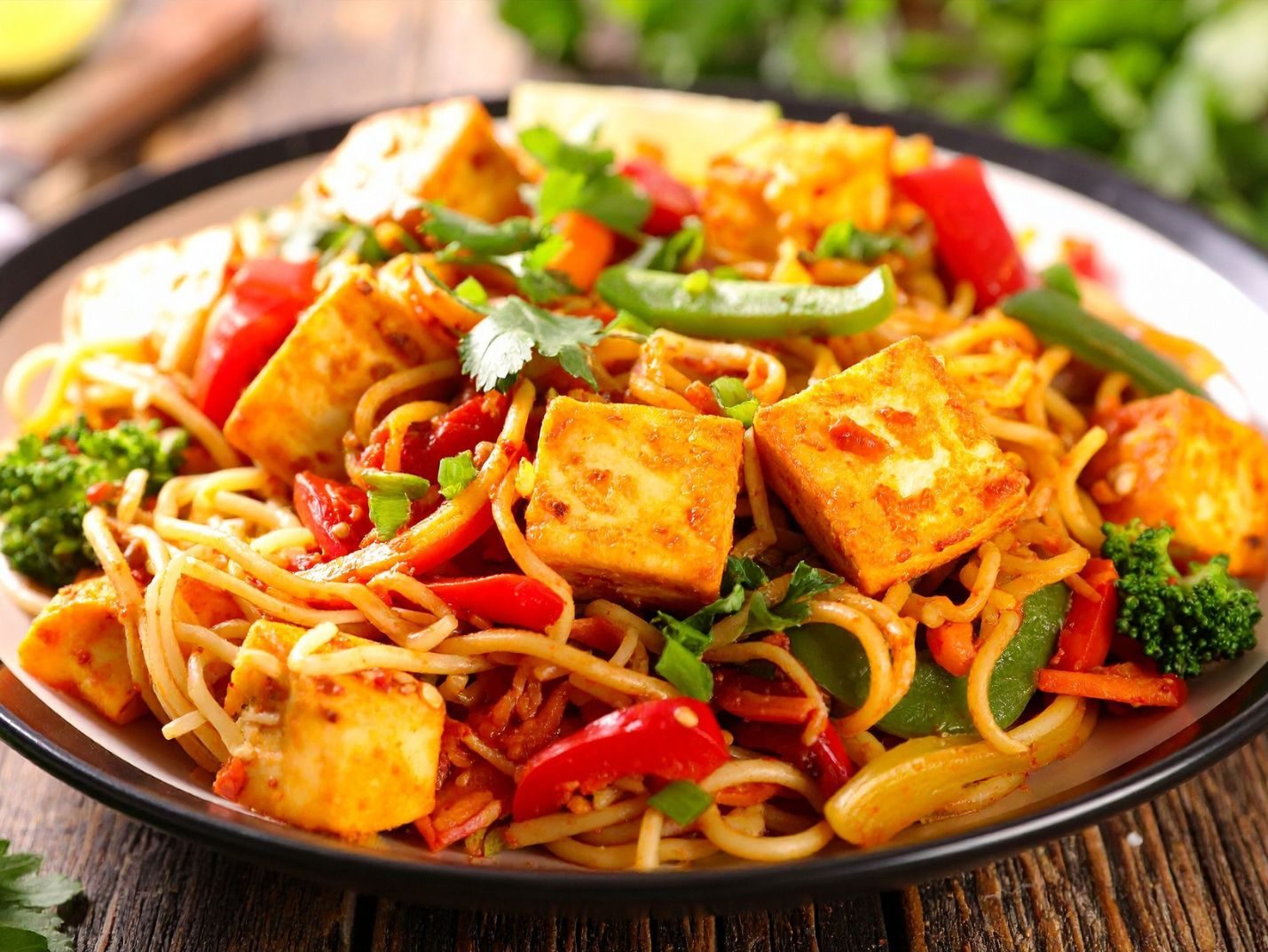
Over the weekend, I have 3 days off and often make a big dinner on Friday that we can have leftovers till/through Sunday.One of my go-tos is white rice and fried peppers and onions with tofu and mushrooms with teriyaki. We have big servings. At least 2 cups of rice and then maybe 1-2 cups of the pepper stuff. These are the frozen peppers I use. And I add a sweet onion and baby Bella mushrooms (2 packages) of these https://www.walmart.com/ip/Fresh-Sliced-Baby-Bella-Mushrooms-8-oz/586083289?fulfillmentIntent=Pickup&filters=%5B%7B%22intent%22%3A%22fulfillmentIntent%22%2C%22values%22%3A%5B%22Pickup%22%5D%7D%5D&classType=REGULAR&athbdg=L1100&from=/searchAnd then 2 packages of this tofu- https://www.walmart.com/ip/Azumaya-Refrigerated-Firm-Natural-Tofu-16-oz/10898985?fulfillmentIntent=Pickup&filters=%5B%7B%22intent%22%3A%22fulfillmentIntent%22%2C%22values%22%3A%5B%22Pickup%22%5D%7D%5D&classType=VARIANT&athbdg=L1100&from=/searchThis feeds two of us, about 3 meals each.
Your weekend big dinner of white rice + fried peppers/onions with tofu and mushrooms in teriyaki sauce is a classic, flavorful, veggie-forward meal that’s easy to batch and enjoy as leftovers—perfect for 3 days off feeding two people across ~3 meals each (so roughly 6 total servings). It’s plant-based, high in volume from the veggies, and provides decent protein from the tofu. That said, with the large portions (at least 2 cups rice + 1–2 cups “pepper stuff” per serving), it’s quite calorie-dense, mostly from the rice carbs and any oil/teriyaki used in frying/saucing. This can easily push a single meal into 800–1,200+ calories, which might exceed your daily target (1,200–1,400 total) on those days, especially if including sides or dessert.Rough Nutrition Breakdown for One Large ServingEstimates based on standard USDA data, product details from your links/Walmart, and typical values (assuming ~1–2 tbsp oil for frying, generous teriyaki ~4–6 tbsp total for the batch, no added salt/sugar beyond sauce):
- White rice (cooked, long-grain, 2 cups): ~410 calories, ~88g carbs, ~8–9g protein, negligible fat (USDA average: 205 cal per cup).
- Frozen peppers/onions blend (~1–1.5 cups cooked; assuming Great Value or similar 20 oz bag style): ~30–50 calories, ~8–12g carbs (mostly from onions/peppers), ~2g protein, 0g fat (very low-cal; ~25–30 cal per ¾–1 cup serving).
- Sweet onion (1 medium added, ~1 cup sliced/cooked): ~50–60 calories, ~12–14g carbs.
- Baby Bella mushrooms (2 packages = 16 oz fresh sliced): 100–120 calories total batch (50–60 per person if divided), ~10–12g protein (mushrooms add nice umami/protein boost), low carbs/fat.
- Tofu (Azumaya Firm, 2 packages = 32 oz total; ~16 oz per person across servings): ~300–350 calories per large serving equivalent, ~40–50g protein (7g protein per 3 oz serving; firm tofu is solid here), low carbs/fat.
- Teriyaki sauce (assuming store-bought, ~¼–½ cup total batch used; typical reduced-sodium ~13–16 cal/tbsp): ~100–200 calories batch-wide (high sodium ~300–600mg/tbsp; sugars ~2–3g/tbsp).
- Oil for frying (assuming 1–2 tbsp total batch, like canola/veg): ~120–240 calories.
Per large serving estimate (your described portion, divided across 6 servings total):
- Calories: 800–1,100+ (rice dominates; higher if more oil/sauce).
- Protein: 50–70g (tofu + mushrooms/eggs if any—excellent for satiety/muscle).
- Carbs: 100–130g (mostly rice; moderate fiber from veggies).
- Fat: 10–25g (from tofu/oil/sauce).
- Sodium: Likely high (teriyaki + any added; 1,000–2,000+ mg possible per serving).
This is filling and nutrient-rich (vitamins A/C from peppers, potassium, antioxidants from mushrooms/onions, complete protein from tofu), but the rice volume makes it carb-heavy—great for energy on off days, but it could crowd out room for lighter breakfast/smoothie or push over deficit on weekends.Tips to Align Better with Your Goals (Weight Loss, 1,200–1,400 cal/day, 6-Hour Window)
- Portion the rice down → Aim for 1–1.5 cups cooked per serving (~205–310 cal savings). Bulk with extra peppers/mushrooms (low-cal volume) or add low-cal sides like steamed broccoli/cauliflower for fullness.
- Sauce smarter → Use low-sodium teriyaki (or dilute with water/broth) to cut sodium/sugar. Measure it (e.g., 1–2 tbsp per person) instead of pouring freely—saves calories and sodium (important for blood pressure at 58+).
- Frying lightly → Use minimal oil (non-stick pan + spray) or air-fry/tofu press for crisp without extra fat.
- Batch for balance → Portion leftovers into containers right after cooking (e.g., 1 cup rice + generous veggie/tofu mix per meal). Reheat with extra veggies to stretch without adding calories.
- Fit into window → On off days, eat this as your “big meal” in the 6-hour window (e.g., late lunch/early dinner), pair with lighter smoothie or eggs earlier if needed. Skip dessert or keep tiny to compensate.
- Protein boost → Tofu already shines (~40g+ per serving)—great! If wanting more, add edamame or extra mushrooms.
- Micronutrients → This adds variety (vitamin C from peppers, selenium from mushrooms, isoflavones from tofu for heart/bone support)—nice complement to your smoothie.
Overall, it’s a tasty, affordable go-to that supports your plant-leaning style. With small tweaks (rice portion, sauce control), it can fit your deficit better without losing enjoyment. How much teriyaki/oil do you typically use in the batch? Any sides or tweaks you already do? We can refine a lower-cal version if you’d like! 
I use butter for the frying. Probably 2 tablespoons. And I use a hole bottle of teriyaki- this one- https://www.walmart.com/ip/Soy-Vay-Veri-Veri-Teriyaki-Marinade-and-Sauce-21-fl-oz/26420047?fulfillmentIntent=Pickup&filters=%5B%7B%22intent%22%3A%22fulfillmentIntent%22%2C%22values%22%3A%5B%22Pickup%22%5D%7D%5D&classType=VARIANT&athbdg=L1100&from=/search
Thanks for the details on the butter (2 tablespoons for frying the batch) and the Soy Vay Veri Veri Teriyaki sauce (whole 21 fl oz bottle used per big batch). That helps refine the nutrition picture significantly—using a full bottle of teriyaki is a generous amount, and butter adds noticeable calories/fat.Updated Nutrition Facts for Soy Vay Veri Veri Teriyaki (Standard Version)From consistent sources (Soy Vay site, retailer listings like Stater Bros., FatSecret, Eat This Much, and multiple stores):
- Serving size: 1 tbsp (19g)
- Calories: 40 per tbsp
- Total Fat: ~1–2g (mostly from sesame oil; 0g saturated)
- Sodium: 580 mg per tbsp (25% DV—quite high!)
- Total Carbs: ~8–9g
- Total Sugars: 7g (includes added sugars; no fiber noted)
- Protein: ~1g
- Other: No preservatives, ingredients include soy sauce, sugar, sesame oil, ginger, garlic, onion, toasted sesame seeds.
- Bottle size: 21 fl oz ≈ 42 tbsp (so full bottle = ~1,680 calories, ~24,360 mg sodium, ~294g sugars total if used entirely).
(Note: The “Less Sodium” variant is lower at ~430 mg sodium/45 cal per tbsp, but your link is the regular one.)Refined Batch & Per-Serving EstimatesYour batch feeds ~6 large servings (3 meals each for 2 people). Assuming:
- Full 21 oz bottle teriyaki (~42 tbsp, all used—likely poured generously or reduced during cooking).
- 2 tbsp butter for frying (adds ~200 calories total batch, ~33 cal/serving).
- Other ingredients as before (2 cups rice per serving, veggies/tofu portions).
Batch totals (rough):
- Rice (12 cups cooked total, assuming 2 cups/serving × 6): ~2,460 calories.
- Teriyaki (full bottle): 1,680 calories + massive sodium (24,000+ mg) + ~294g sugars.
- Butter (2 tbsp): ~200 calories.
- Tofu (32 oz total): ~600–700 calories, ~80–100g protein.
- Veggies/mushrooms/onions: ~300–400 calories (low-cal).
- Batch grand total: ~5,200–6,000+ calories (high end if any extra oil/sauce reduction loss minimal).
Per large serving (your described 2+ cups rice + 1–2 cups veggie/tofu mix):
- Calories: 900–1,200+ (rice ~410, teriyaki portion ~280 if divided evenly across 6, butter ~33, tofu/veggies ~200–300).
- Protein: 50–70g (tofu shines here).
- Carbs: 120–150g+ (rice dominant, plus sugars from sauce).
- Fat: 15–25g (butter + sesame oil in sauce + tofu).
- Sodium: Extremely high—potentially 4,000+ mg per serving (full bottle divided by 6 = ~4,000 mg each; way over daily 2,300 mg limit, risky for blood pressure/heart health at 58).
- Sugars: ~49g per serving (from sauce alone—mostly added).
This is a very flavorful, satisfying meal, but the full bottle of teriyaki pushes calories, sugars, and especially sodium way up—making it harder to stay in your 1,200–1,400 daily range on those days (one meal could eat most/all of your budget). Butter adds ~200 batch calories (not huge, but noticeable).Suggestions to Make It More Goal-Friendly
- Scale sauce way back: Use ½–¾ bottle (or ½–⅔ cup total batch, ~10–15 tbsp) → Saves ~800–1,000 calories batch-wide, cuts sodium/sugars dramatically (half or less). Dilute with low-sodium soy sauce, water, or broth for volume/flavor. Measure it to avoid over-pouring.
- Reduce rice: Drop to 1–1.5 cups cooked per serving (~200–300 cal savings). Bulk with extra mushrooms/peppers (low-cal, high-volume) or add cauliflower rice mix-in for texture.
- Butter/lighten frying: Cut to 1 tbsp or use oil spray/non-stick + broth splash → Saves 100 cal batch.
- Lower-sodium swap: If you like the flavor, try the Less Sodium Soy Vay variant next time (~430 mg sodium/tbsp vs. 580 mg)—25% less sodium without much taste change.
- Portion leftovers mindfully: Divide into 6 equal containers immediately. Reheat with added low-cal veggies (e.g., broccoli) to stretch and fill up without extra rice/sauce.
- Fit into window: Treat as your main/only big meal in the 6-hour window on off days. Pair lighter earlier (e.g., small smoothie or eggs) if hungry, and skip or minimize dessert.
This keeps the dish enjoyable and batch-friendly while creating more deficit room. If you track one batch in an app (MyFitnessPal), you’ll see exacts. How does sodium/sugar concern level feel for you, or want a tweaked recipe version (e.g., “lightened teriyaki stir-fry”)?
I can make smaller meals. What about having the cereal breakfast on these days, OR… average this out. So, I’ll have cereal breakfast 3-4 times a week and the smoothie 3-4 times a week, and then simple second meals like cottage cheese or yogurt 3-4 times a week and then big dinners like just described 3-4 times a week… but they may be a bit mixed up during the week, so some days are heavy calories and some are much lighter.
Yes, averaging things out across the week is a perfectly valid and sustainable approach—many people thrive on this “some heavy days, some light days” pattern rather than strict daily consistency. It creates natural calorie cycling: higher-calorie days (big dinners) provide satisfaction and recovery (energy for work/shifts, enjoyment on off days), while lighter days (cereal + simple protein) create a deficit to balance it. As long as your weekly average lands in a mild deficit (e.g., ~500–700 calories below maintenance most weeks), you’ll see gradual progress toward your 20–25 lb goal without feeling deprived or restricted every single day.Why This Mixed Pattern Can Work Well for You
- Flexibility fits life: Weekends/off days often mean more cooking/social time (big batch dinner), while workdays are busier (quick cereal or smoothie + cottage cheese/yogurt/eggs). Mixing prevents burnout.
- Calorie averaging: If heavier days hit 1,800–2,200 calories (big dinner dominant) and lighter days 1,000–1,200 (cereal + simple PM protein), a 50/50 split averages ~1,400–1,700/weekday range—close enough to your 1,200–1,400 target for slow loss (0.5 lb/week average), especially with activity from shifts/driving.
- Protein stays high: Your lighter days emphasize eggs/cottage cheese/yogurt (~40–60g protein possible), and big dinners deliver 50–70g+ from tofu—keeps daily averages solid (80–100g+), supporting muscle and satiety.
- Hunger/sleep benefits: Lighter mornings (cereal or smoothie) leave room for PM meals without overstuffing; big dinners in your 6-hour window (e.g., late lunch/early dinner on off days) fit IF well.
- Mental side: Allowing “big” meals 3–4x/week reduces all-or-nothing thinking and waste guilt (like the sandwich day).
Estimated Weekly Calorie Example (Rough, Assuming 7 Days)Let’s sketch a realistic mix (adjust based on your actual portions):
- 3–4 Smoothie days (lighter breakfast): ~550–650 cal smoothie + simple PM (e.g., cottage cheese/eggs/yogurt ~200–400 cal) + small dessert ~150 cal → Total ~900–1,200 cal/day.
- 3–4 Cereal days (lighter breakfast): Bowl of cereal (e.g., high-fiber with milk ~300–400 cal) + simple PM ~200–400 cal → Total ~700–1,000 cal/day (very light—great deficit creators).
- 3–4 Big dinner days (often overlapping with off days): Smoothie or cereal earlier (~400–600 cal) + big teriyaki stir-fry (your current large portion ~900–1,200 cal) → Total ~1,300–1,800+ cal/day (higher, but enjoyable).
Weekly average: If 3 smoothie days (1,050 avg), 2 cereal days (850 avg), 2 big dinner days (~1,550 avg) → ~8,900–9,500 calories/week → Daily average ~1,270–1,360 cal (solid mild deficit from your ~1,500–1,600 TDEE). Adjust portions (e.g., smaller rice on big days) to fine-tune lower if needed.Tips to Make the Mix Sustainable & Effective
- On big dinner days:
- Portion rice to 1–1.5 cups cooked (~205–310 cal vs. 410+ for 2 cups) → Saves 100–200 cal without feeling skimpy.
- Use less teriyaki (e.g., ½ bottle or ~½ cup total batch → ~840 cal savings batch-wide, lower sodium/sugars). Dilute with low-sodium soy/water for volume.
- Butter: Cut to 1 tbsp or use spray → Minor savings but helps.
- Add extra low-cal volume (more peppers/mushrooms, broccoli) to fill plates.
- Lighter days boost: Cereal + cottage cheese/yogurt/eggs keeps protein high and calories low—use high-fiber cereal (e.g., bran flakes) for satiety.
- Track loosely: Use an app 1–2 weeks to spot the average (don’t obsess daily). Weigh weekly (same time/conditions) to confirm progress.
- Watch sodium on big days: Full bottle teriyaki = high sodium (~4,000 mg/serving possible) → If blood pressure or bloating is a concern, cut sauce or choose lower-sodium version.
- Dessert flexibility: Include small portions on lighter days; skip or minimize on heavier ones.
- Energy/sleep check: Notice if heavy days cause sluggishness or better sleep from fullness—adjust mix if needed.
This balanced cycling feels realistic for your routine (work evenings, off weekends for batching). It’s not “perfect” daily, but effective long-term. If you want a sample 7-day menu mixing these (with calorie estimates), or tweaks to the teriyaki batch for lower cal, let me know! How does this averaging feel compared to stricter daily control?